
Bethany 2025-2026
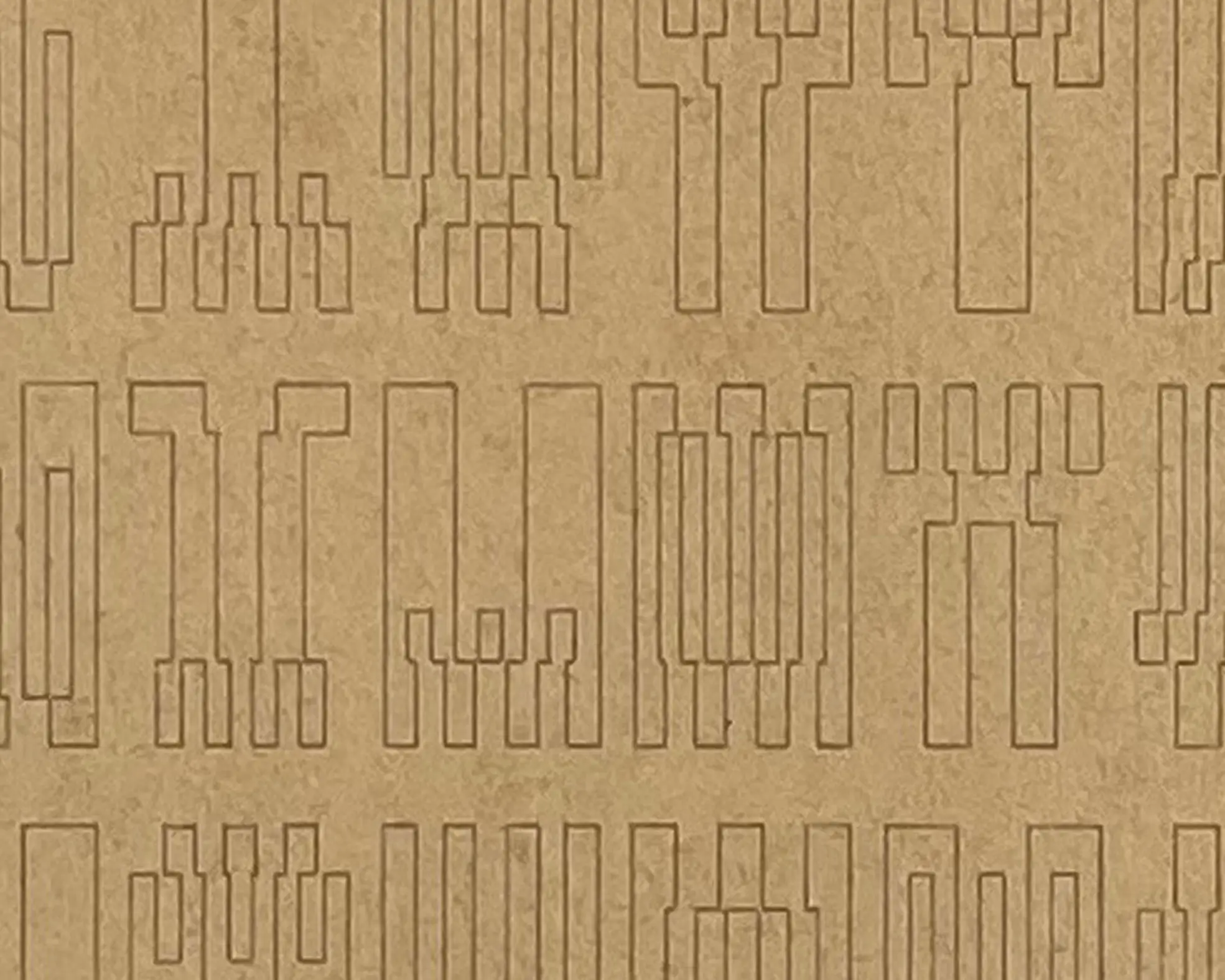
All artworks are writing, not just those that are obviously that; they are hieroglyphs for which the code has been lost, a loss that plays into their content.
Theodor Adorno, Aesthetic Theory
I must have been ten years old when one afternoon my father showed up with a single volume of the Enciclopedia Universal Ilustrada Europeo Americana. It was Volume 16: CRE-CHARG. I celebrated the arrival of the new book in a house where reading material was scarce.
Among the countless entries in the volume, I discovered one that captivated me: cryptography, defined as “the art of writing enigmatically” (From the Greek kryptós, hidden, and graphein, to write). What a fascinating mission it was—to create a code that only you yourself could understand. I still keep the table I drew back then, convinced that no one would ever be able to decipher the messages encrypted with it.
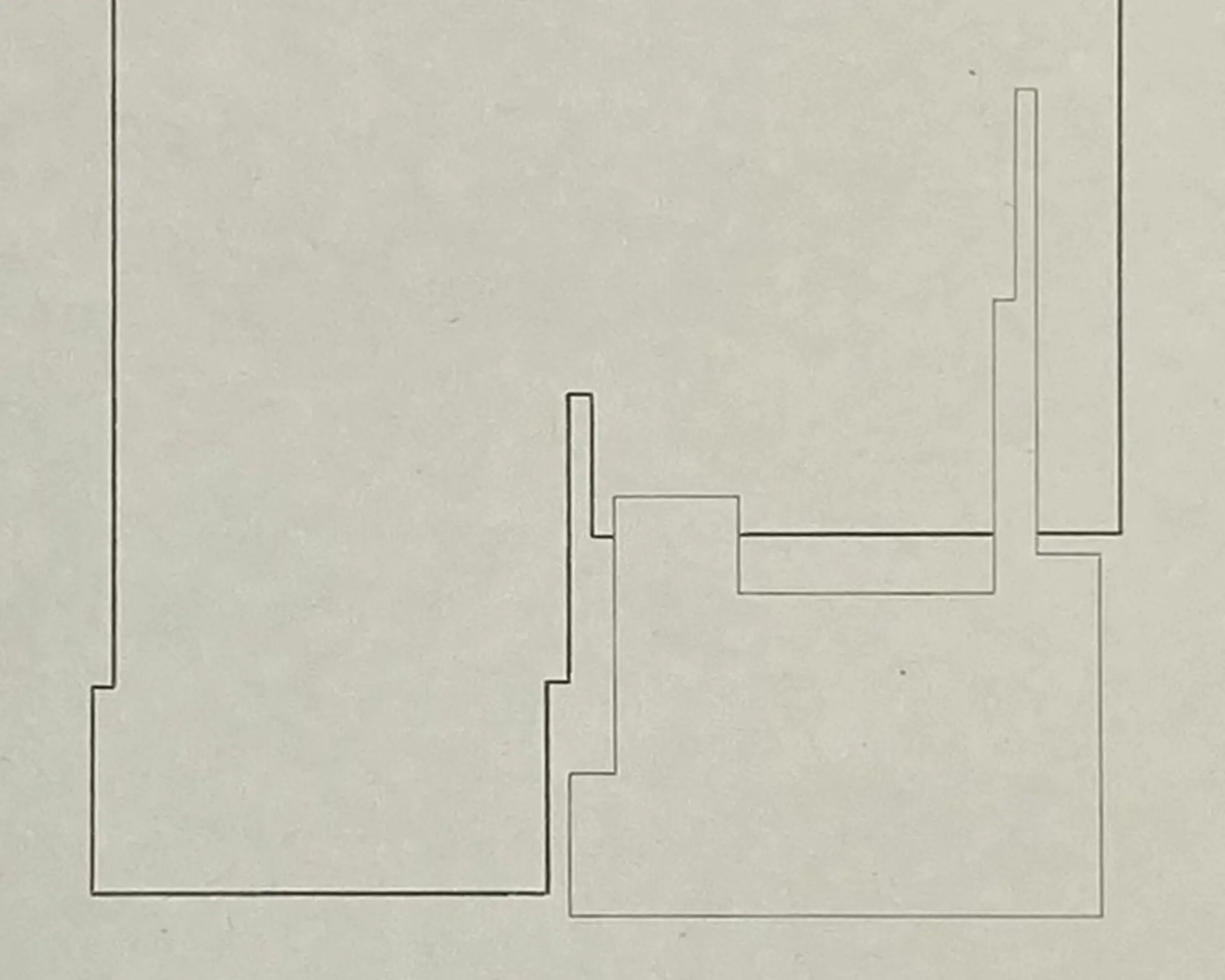
Fifty years later, I find myself immersed in multiple series of drawings that make me reflect on the significance of that childhood pastime. Back then, I encoded reality to make it inaccessible and secret from others. Now, I try to transcribe what I do not understand.
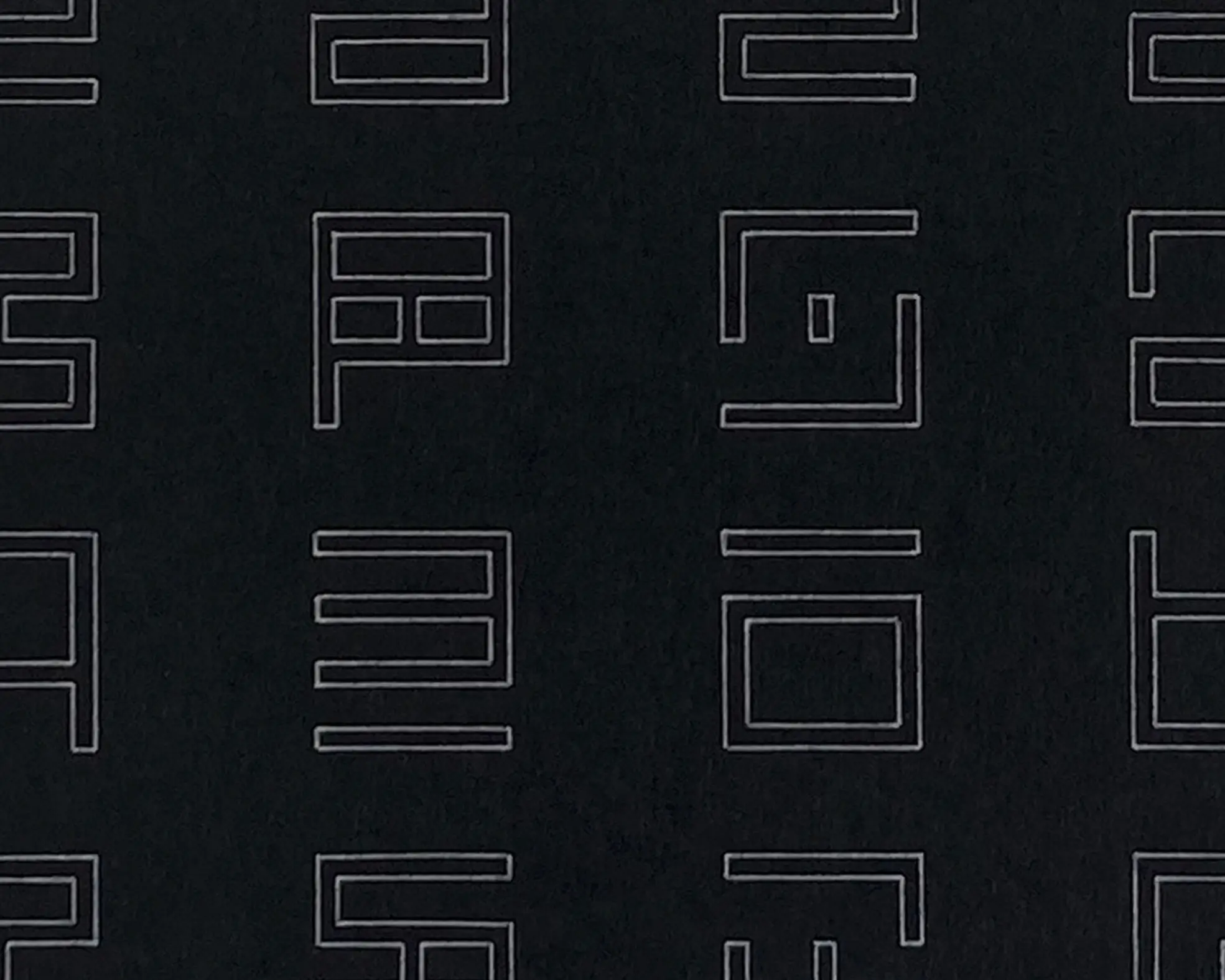
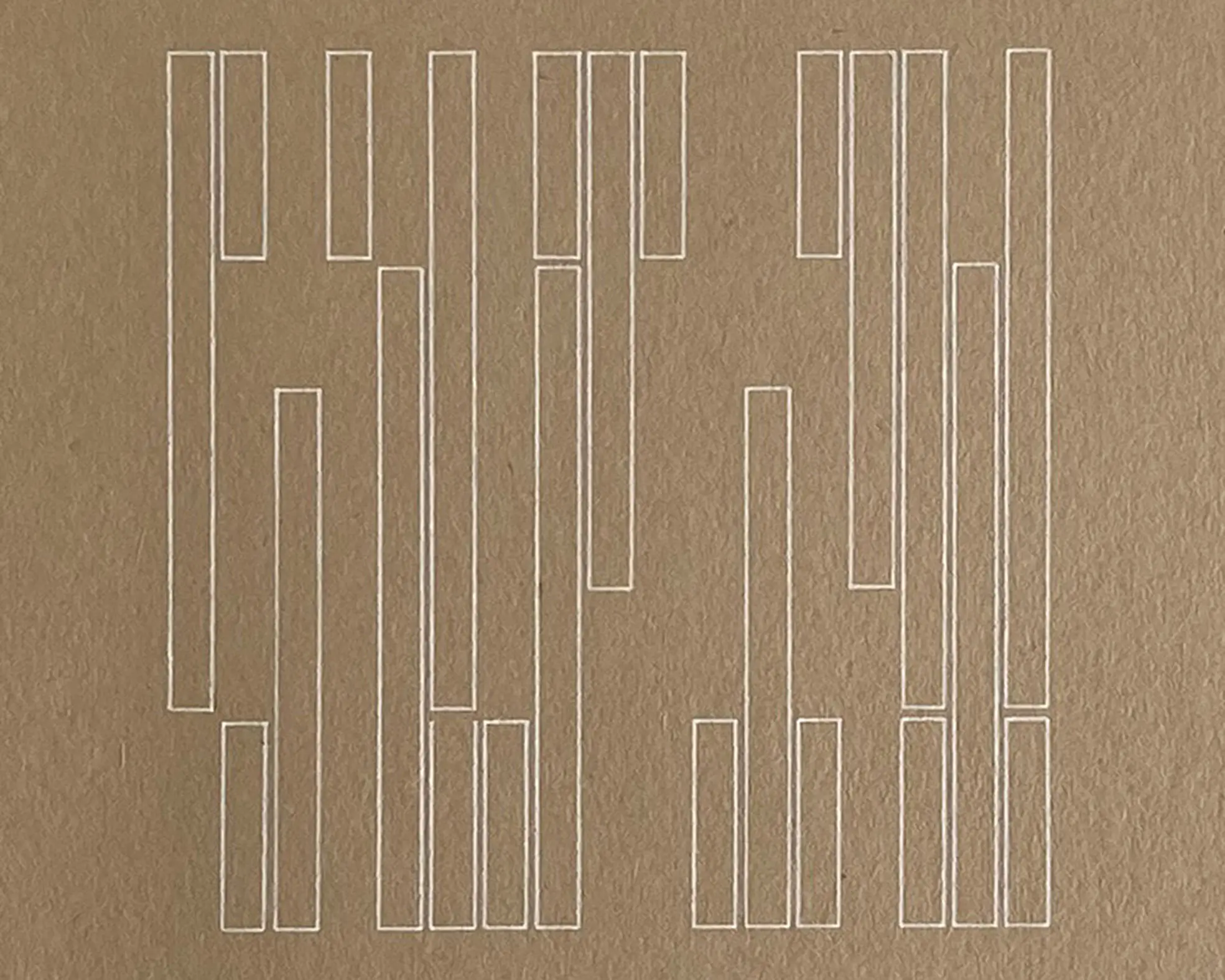
Paris 2025
Tbilisi 2024-2025
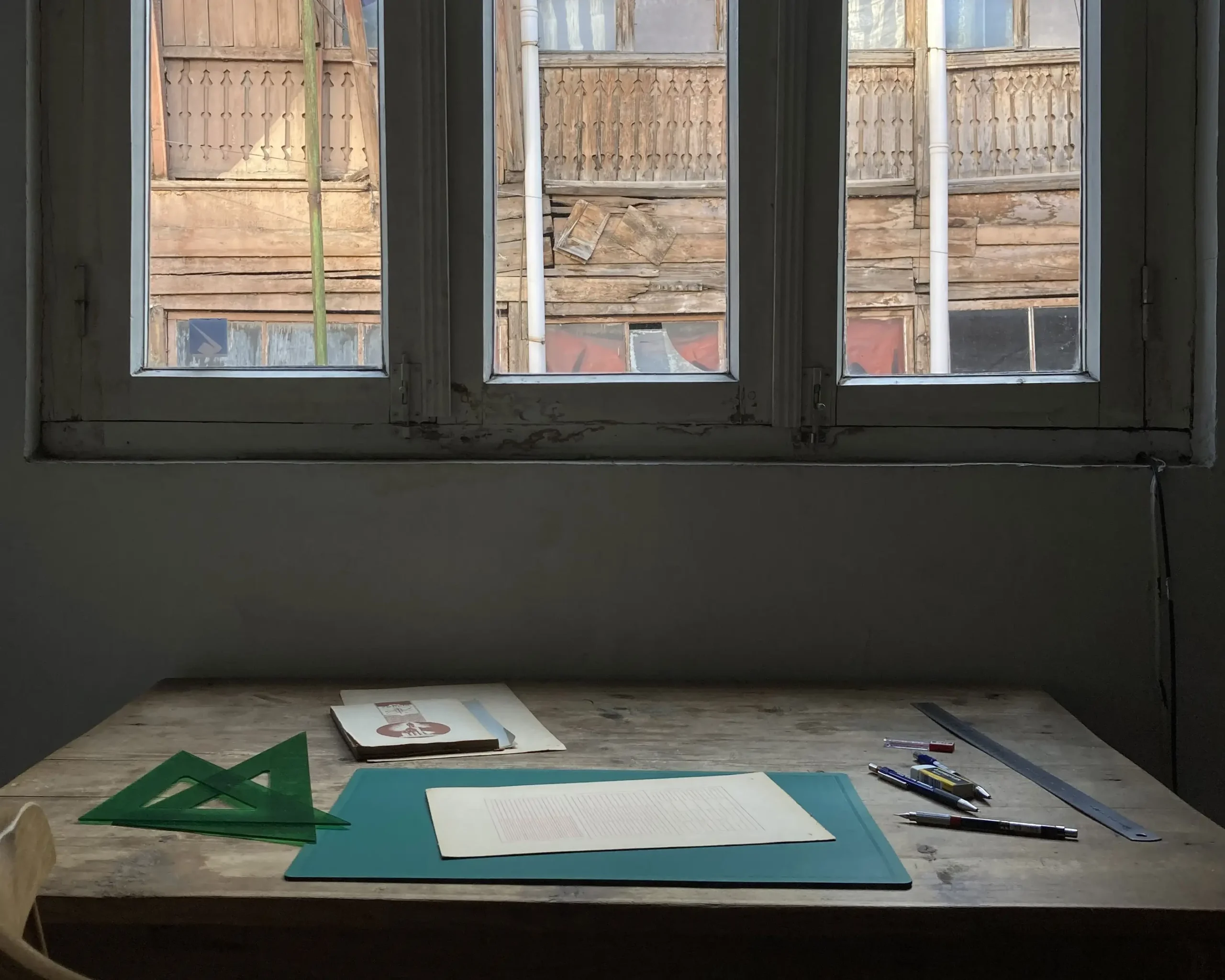
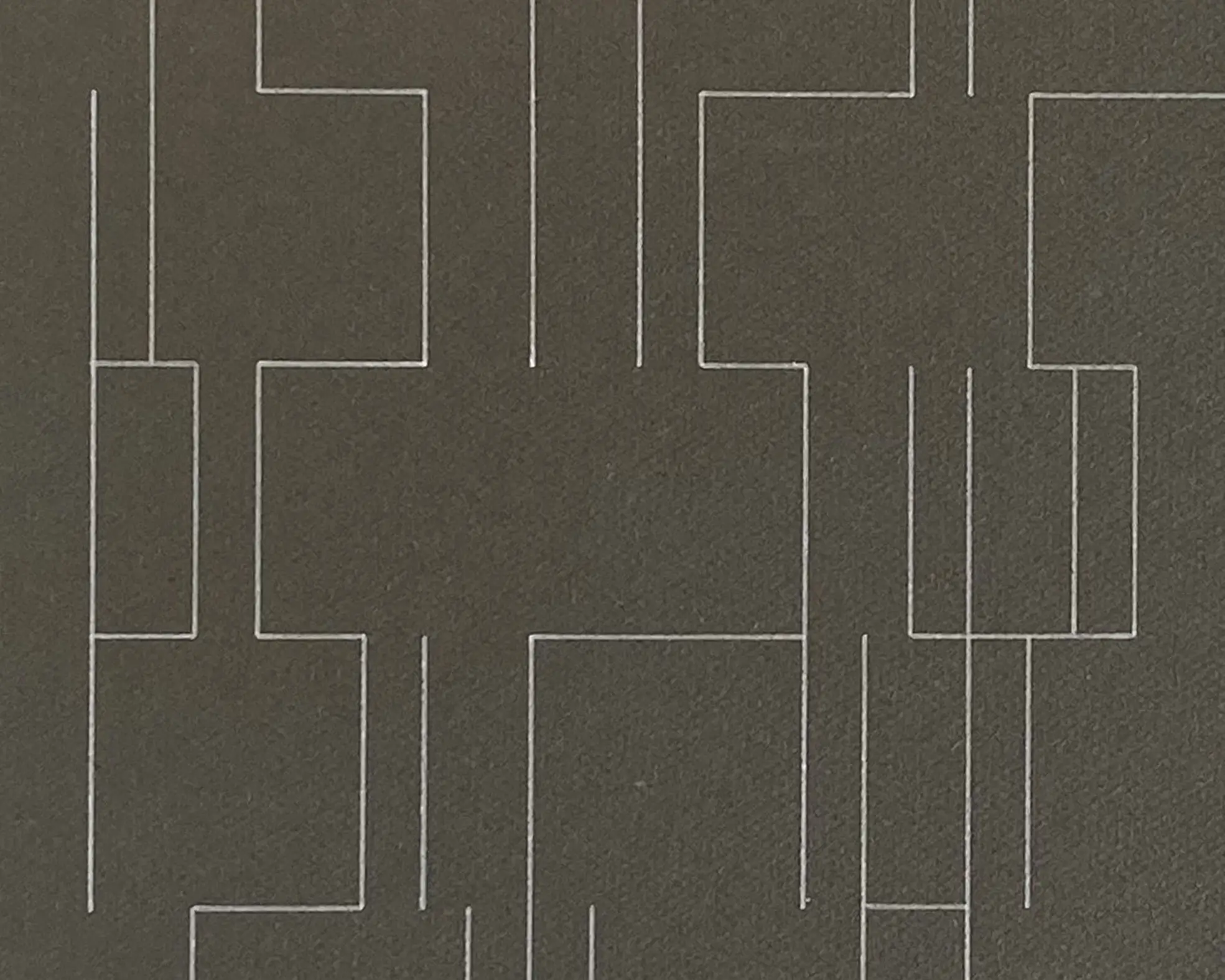
Tbilisi III is the last of the three series of drawings I made during my artistic residency in Tbilisi in August 2024, a stay that was made possible thanks to the support of the National Trust of Georgia. This organization, dedicated to the defense of the cultural and architectural heritage of this Caucasian country, facilitated the approach of my work to a city of innumerable substrates and certainly evocative to the point of perplexity.
Tbilisi provided an unexpectedly suggestive context for a work that, as in previous artistic residencies, I faced without premeditation and open to the site. The environment made possible the connection with some of the latest reflections in my work, because of two aspects that I think it is necessary to point out: the importance of the symbol as an evocative force in the everyday, and the layout of the temporal course of the city in strata, literally piled up like debris everywhere.
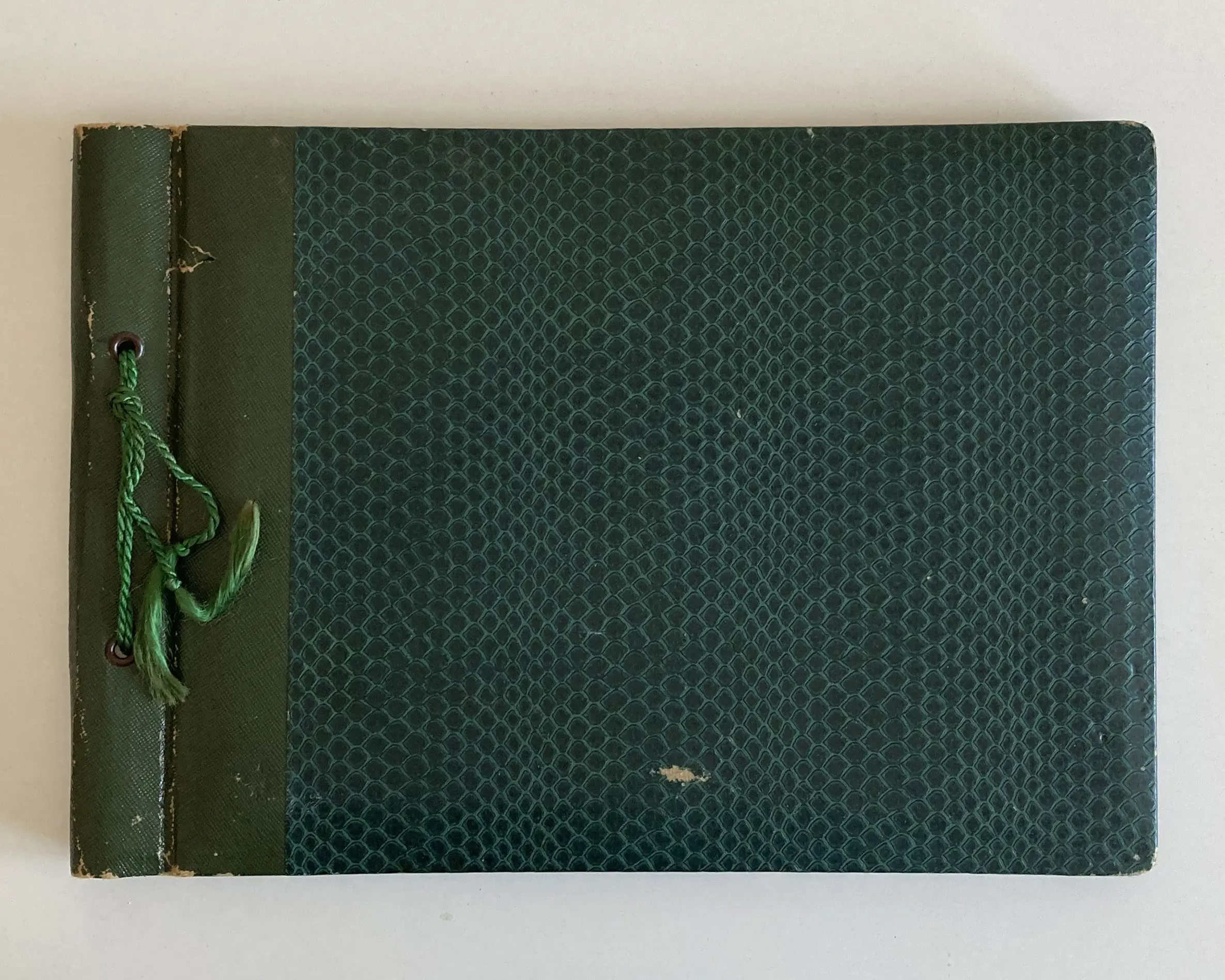
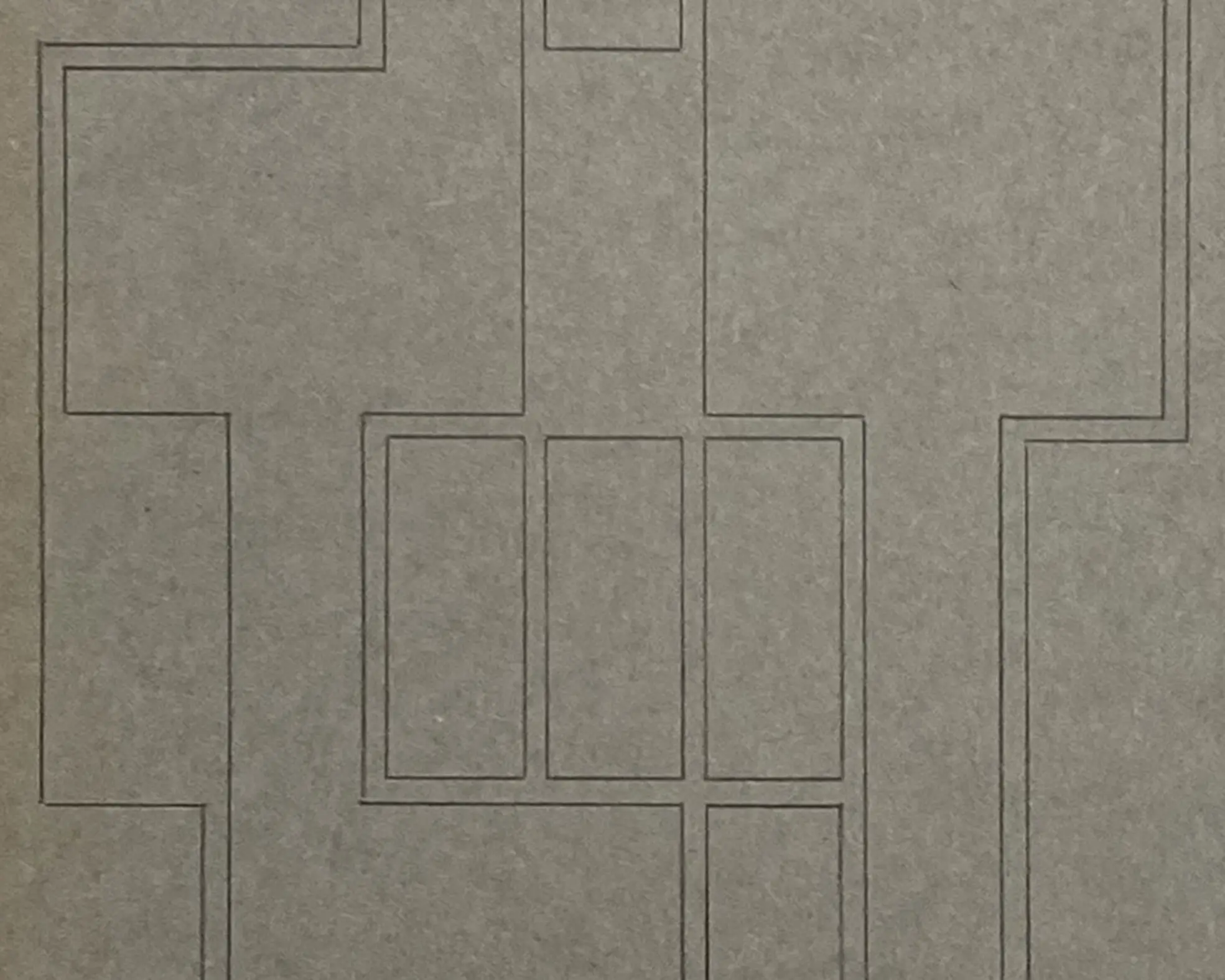
The drawing series are made on paper found on site, dating from the Soviet era. Old notebooks proved to be the necessary, irregular and even precarious support for the drawings that began to emerge.
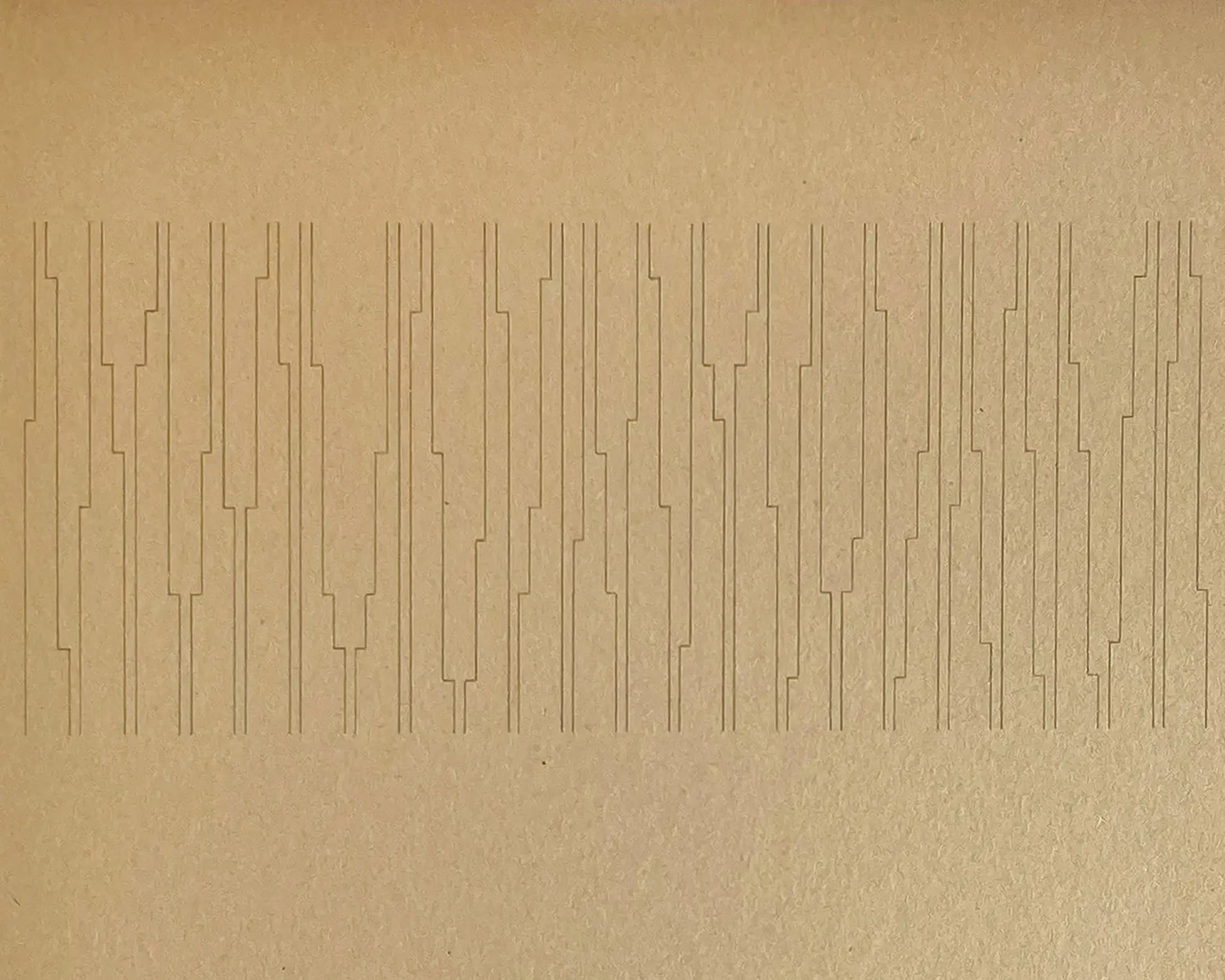
At times, the series are meant to be read in sequential progression, like in Tbilisi III, in which the narrative is repeated over the course of one hundred drawings. One hundred rhythmic inquisitions of incessant repetitions that propose themselves as revelations, taking up the words that Pablo Palazuelo used with respect to his own work:
“Its graphic and geometric embodiment is a mystery related to the energy of number, to this rhythmic beat or pulse where the particle also has its function. As far as I am concerned the works are revelations.”[1]
Revelations that inhabit that intermediate world (mundus imaginalis) “where the spiritual becomes sensible and the sensible spiritual”, and where the work inhabits that sacramental space, “a condition that comes from being an interval and not itself fullness as a real whole.”[2]
The Tbilisi series connect with the artwork approach I have been developing in the past years: a geometric abstraction that expresses, by way of artistic exegesis, a recurrent interest towards the ineffable in general, and more precisely towards the trinitarian formulation.
Returning to what I mentioned at the beginning of this text, regarding the importance of the symbol in everyday life, one of the urban elements that captures the attention in Tbilisi is precisely the omnipresence of the Georgian Orthodox Cathedral of the Holy Trinity. The church of colossal proportions can be seen from any point of the city, and at the same time, it seems to supervise the activity of its inhabitants. The construction is a recent work, consecrated in 2004, and its construction was carried out on top of a previous Armenian church, destroyed during the Soviet era, and its cemetery. One more overlapping of strata.
I consider it pertinent to address the concept of the Trinity in terms of its transversal consideration in the human experience. According to Raimon Panikkar, the Trinity concentrates one of the fundamental intuitions of humanity
“from different points of view and under different names: the intuition of the threefold structure of reality, of the triadic unity existing at all levels of consciousness and of reality.”[3]
And he continues:
“(this) tripartite intuition seems to be a human invariant. It appears in a triadic vision of reality (the divine, the human and the cosmic), as well as in man (body, soul, spirit) and the world (space, time, matter).”[4]
The concern for the trinitarian has accompanied me from afar. My work shows proposals that reflect more inquiries into what is not understood than certainties. Sometimes they are proposals for a way out into the unknown, imagining spaces, traveling the sky and inhabiting the mortal. The divine, the human, their limits and their horizons of convergence.
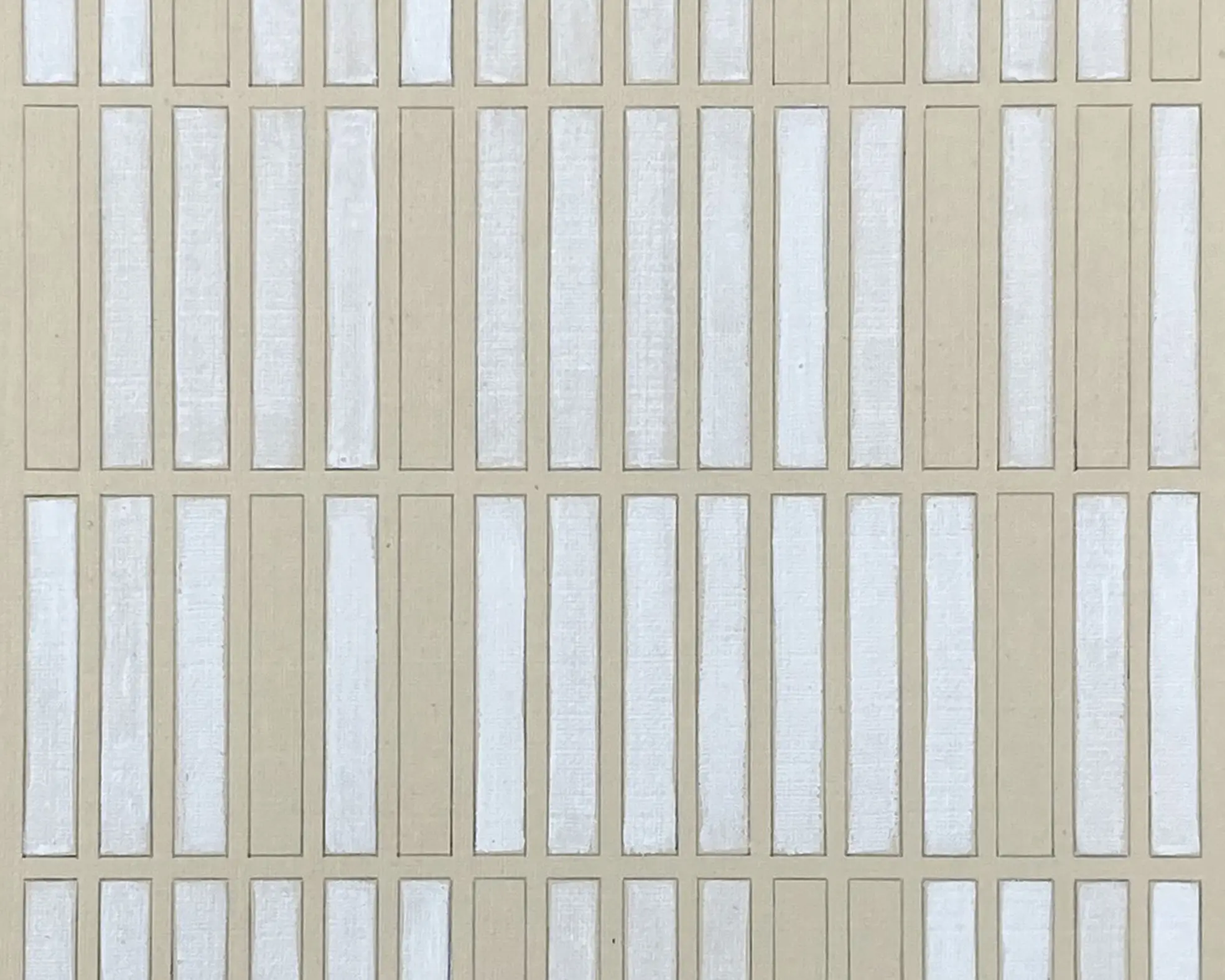
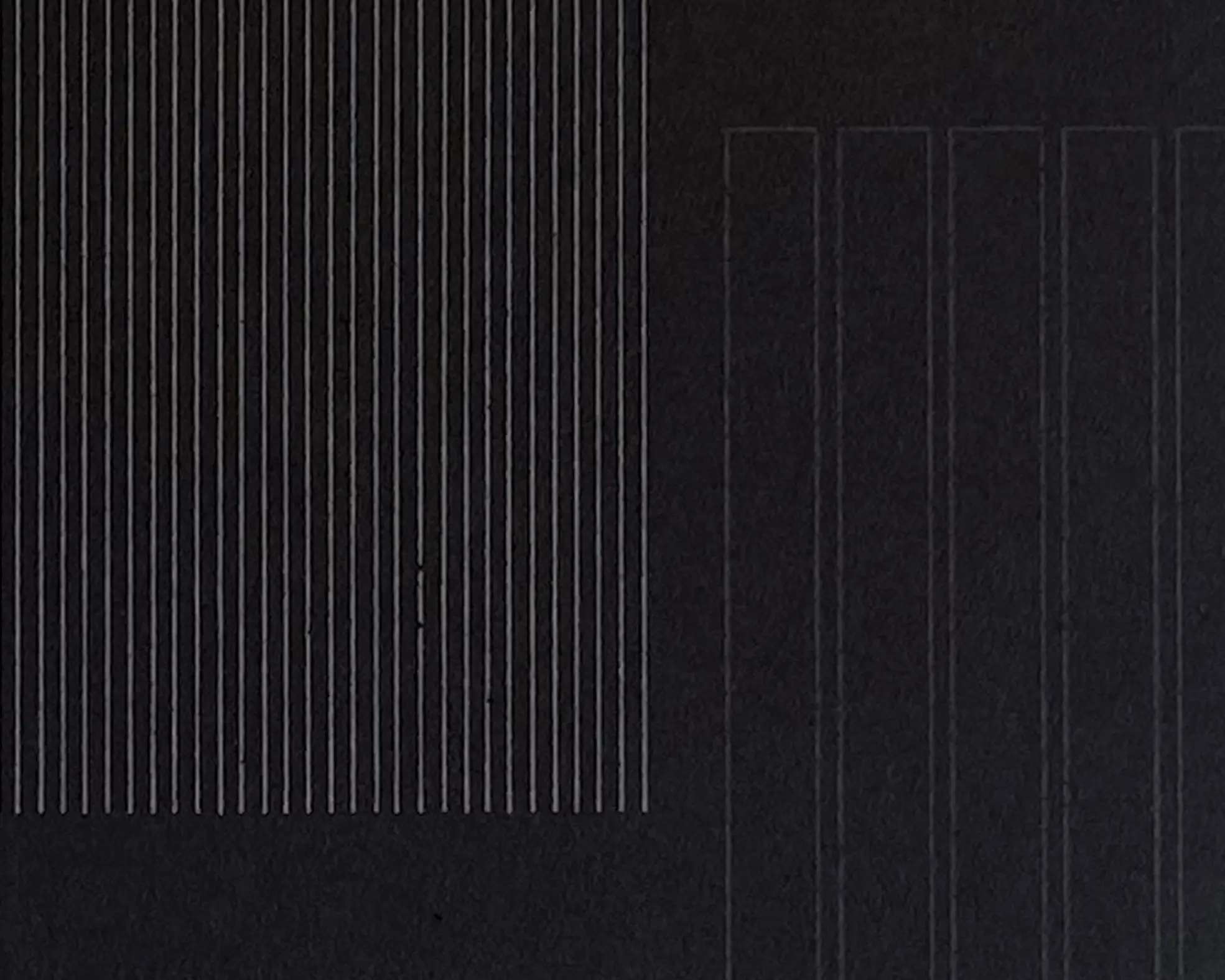
Another backbone element of the compositions is the vocation of verticality of each of their elements. This reiterated verticality of the compositions is a distinctive feature in my work, in a metaphorical allusion to the search for the inexpressible, the reality that transcends the purely visible. That which demands the activation of a different perception, open to intuition.
In this respect, it is necessary for me to unravel the construction of this metaphor of the vertical. Following Henry Corbin, the orientation of the individual, the primary phenomenon of a person’s existence, corresponds to a spatialization of the world around them. This “spatialization developed horizontally towards the four cardinal points is completed, according to the author, with the vertical dimension from top to bottom, from the nadir to the zenith”.[5] For this Islamologist interested in Shi’i Sufism, the horizontal dimensions acquire their meaning according to the way in which the person experiences inwardly this vertical dimension of their own presence.
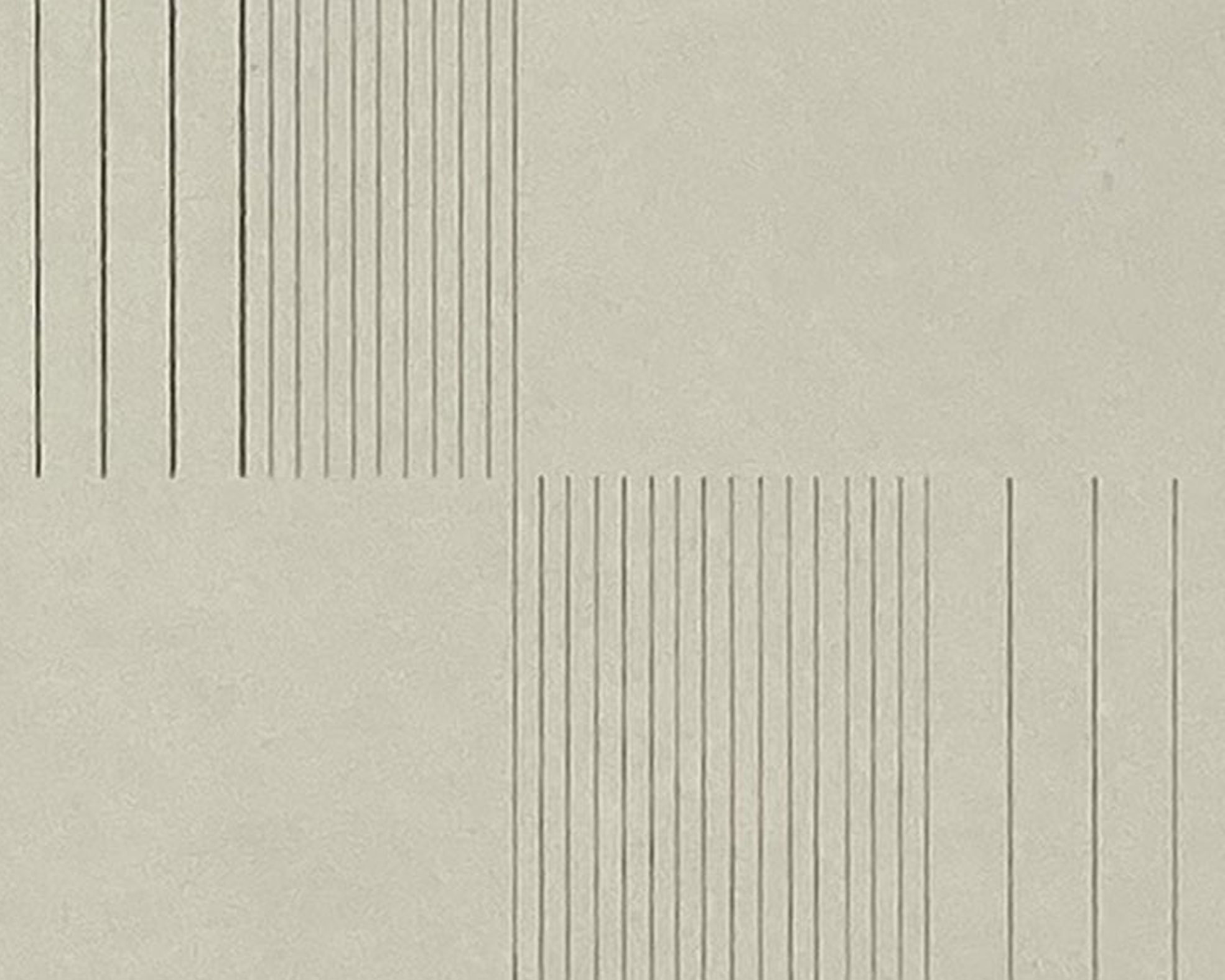
I have previously alluded to the presence of number in this series of drawings. Jung says that “number should be understood not merely as a construct of consciousness but also as a factor existing a priori in outer and inner nature.”[6] Its function in the Tbilisi series focuses on its role as an organizing agent in the structures, generally making possible concatenations and non-premeditated confluences, proportions of symmetries and contrasts, repetition pulsations in cadences that accompany the human physical rhythms themselves. Breathing, heartbeats, blinking, for example, show us the presence of the number in our unconscious existence, and its repetitive pulsation accompanies the very act of drawing, turning it into a transformation of consciousness.[7]
The number provides another link to yet another substratum of Tbilisi. A crossroads on the Silk Road, it was also a point of confluence of religions: Zoroastrianism, Christianity in its different traditions, Islam, Judaism and Yazidism found in Tbilisi welcome and prestige. Along with these, other esoteric movements of a spiritualist nature also came to the city, such as the theosophy of Madame Blavatsky, a doctrine that had such an influence on the emergence of the abstract avant-garde movements of the early 20th century, and the “Fourth Way” of George Gurdjieff.
Known for her great achievements as an encyclopedist of religions, Helena Blavatsky emphasized the identification between the mystical decimal numbers and the sacred geometric forms, which, in her esoteric vision, were immanent to the main world religions[8]. On his part, Gurdjieff seemed to have a special affection for codifying his proposals for the gnostic development of the individual on the basis of numerical references such as the Law of Seven, the Law of Three, the Enneagram, the three main centers in the person, in addition to the aforementioned Fourth Way. He lived in Tbilisi between 1919 and 1920, where he established the Institute for the Harmonious Development of Man.
The strata declare an intrahistory of things, of spaces, of the territories we inhabit. The understanding of their effects on emotions and human behavior has been entrusted to psychogeography, which counts on dérive (drifting) as its most accredited strategy. To lose oneself in digression, to wander, to allow the pulse of the passage of time. Tbilisi III is a reflection of that pulse, of that sedimentation of thoughts that emerge as the trace is impressed on the paper. Each drawing is named according to the day and the order in which it was finished: 20240809-05, 20240810-06, 20240810-08, 20240811-01… Perhaps they do not speak of anything other than what Ángel González García said, that is what things are made of, and not only those pertaining to art: time[9].
[1] Palazuelo, Pablo, Geometría y visión, Diputación Provincial de Granada, 1995, p 31.
[2] Vega, Amador, Arte y santidad, pp 43 y 44. The author takes the term mundus imaginalis from Henry Corbin’s The Creative Imagination in Ibn’Arabî Sufism, Destino, Barcelona, 1993.
[3] Panikkar, Raimon, La Trinidad. Una experiencia humana primordial, Siruela, Madrid, 1998, p 22.
[4] Íb. p 89.
[5] Corbin, Henry, El hombre de luz en el sufismo iranio, Siruela, Madrid, 2000. pp 19 y sig.
[6] Cited in Palazuelo, Pablo, Geometría, p 73.
[7] Palazuelo, Pablo, Geometría, p 38: “KP: This almost obsessive need you have to draw, is it a way of forgetting about oneself, of eliminating self? Or is it a way of entering into a kind of trance-like condition? PP: (…) Repetition forms part of this crepuscular consciousness, and it serves as a means of provoking the transformation from consciousness into a semi-somnolent consciousness. That is why it is called crepuscular consciousness. There exist religions and mystic practices engaged in seeking out this state of consciousness that permits the filtering through of certain determinate things.”
[8] For a detailed description on Blavatsky’s identification between numerology and geometry, see: Welsh, Robert P., “Sacred geometry: French symbolism and early abstraction”, The Spiritual in Art: Abstract Painting 1890-1985, Los Angeles County Museum of Art, Abbeville Press Publishers, New York, 1986.
[9] González García, Ángel, “Contra el futuro”, en El Resto. Una historia invisible del arte contemporáneo, MNCA Reina Sofía, Madrid, 2000, p. 275 y ss.
Thread 2022
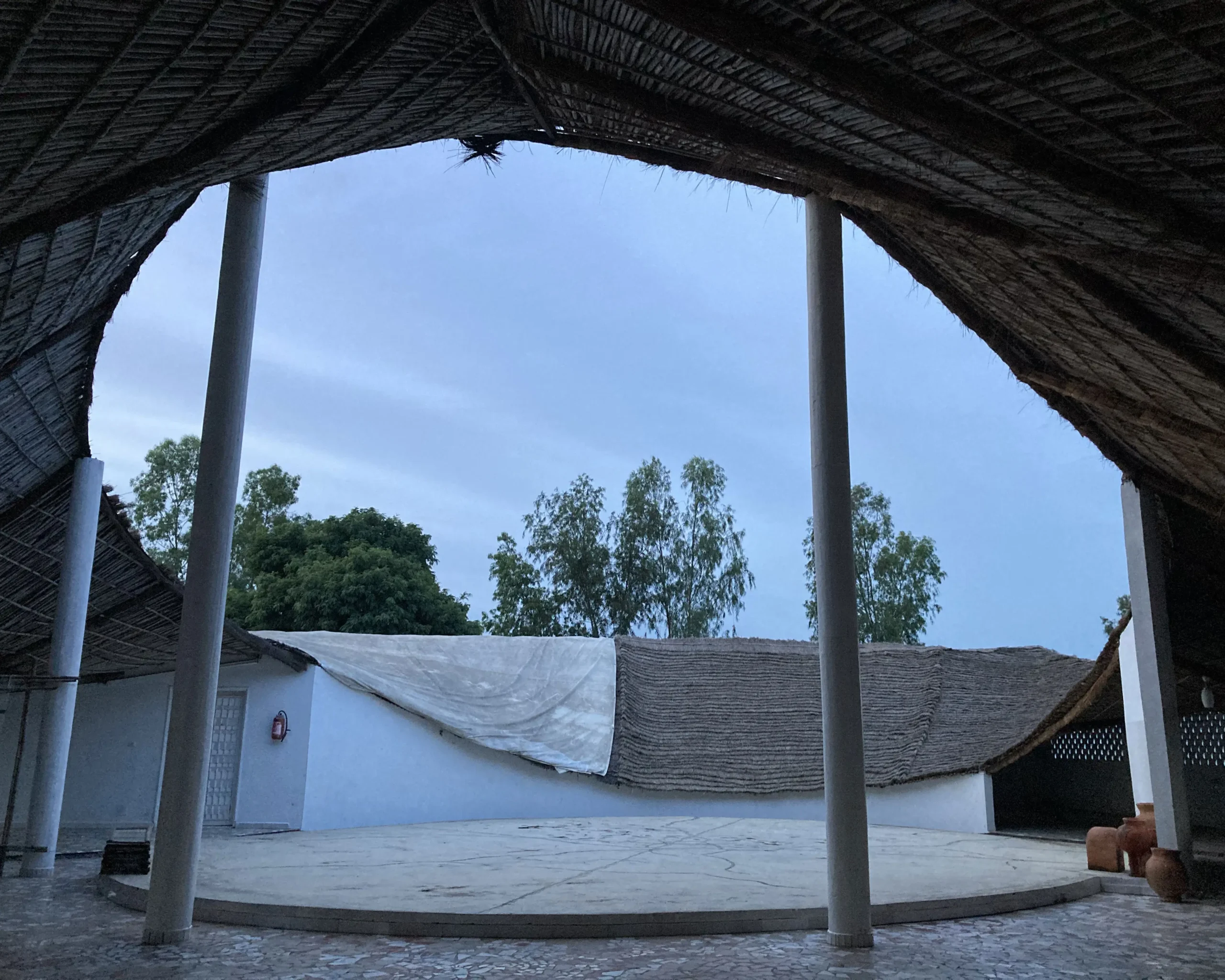
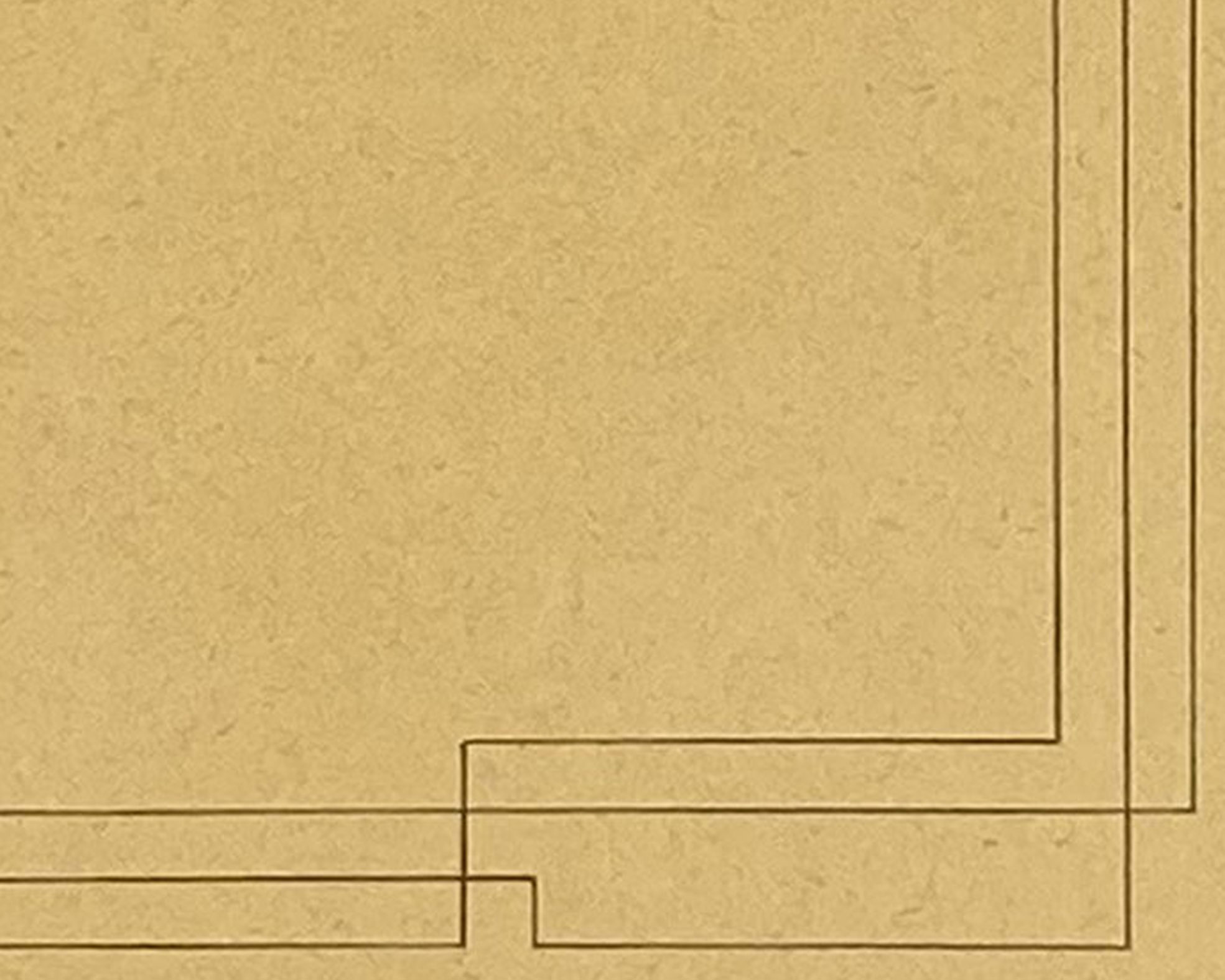
Inspiration arrives in unexpected ways and creation is always an adventure towards an unexplored territory. The drawings included in this catalog are the evidence of this journey during my stay at Thread, the artist in residence program run by the Albers Foundation and Le Korsa in the remote region of Tambacounda, Senegal.
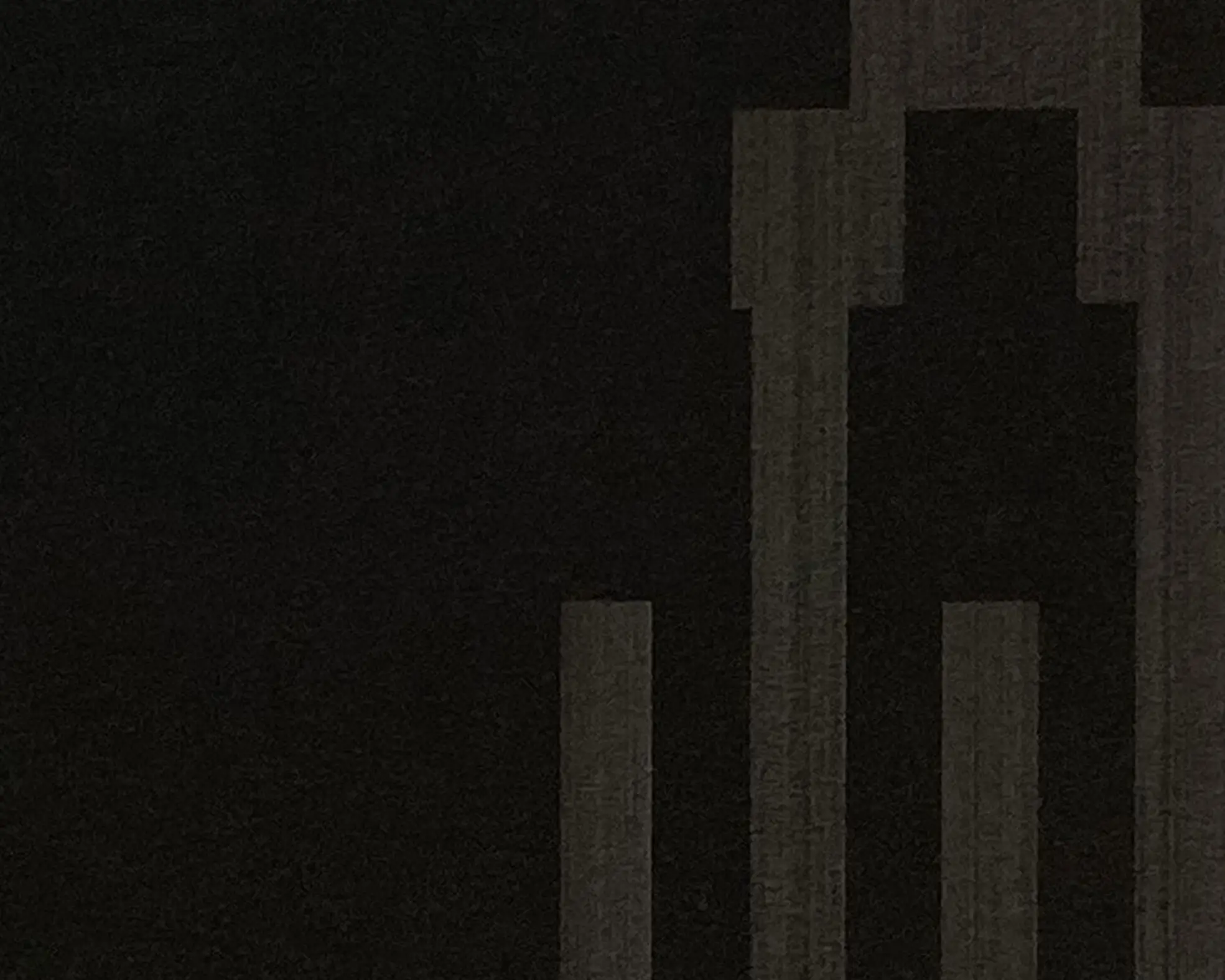
With just a handful of art materials in my luggage, I arrived in Dakar with the idea of obtaining, once there, some earthy pigments, gum arabic and used paper. The handmade watercolor paste I used has resulted in a much more textured media, and the paper shows the mark of time and insects: a lack of a spotless appearance of the surface, but more contextualized for my purpose.
The works revolve around the concept of the golden ratio, an ancient idea that is connected to the quest for perfection. In my drawings, this proportion is present, among other means, through a vertical golden rectangle, and in this context, it embodies my perception of the many contradictions that I perceived while in Africa.
This collection of forty drawings depicts very well the inspiration and quietness of Thread.
As a personal response to the hospitality shown by everyone at Thread, and touched by that commitment, the benefit of the sale of these drawings will entirely be donated to Le Korsa.